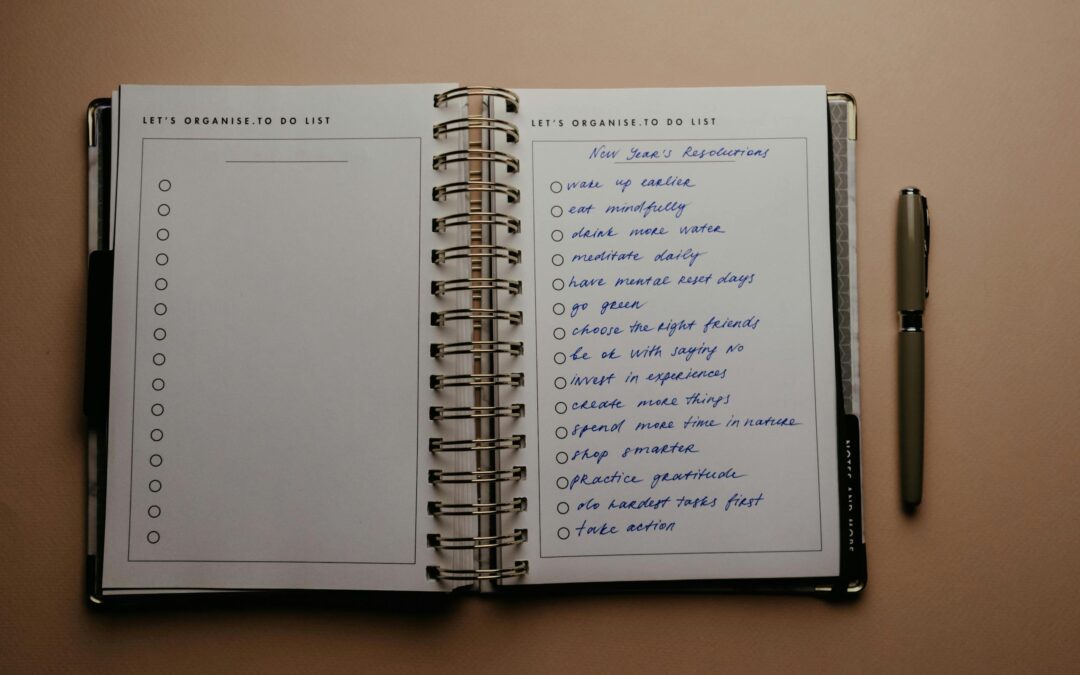
As a coach, one thing I see every January is how much pressure people put on themselves to transform their habits immediately. We’re barely back into our routines, yet so many people feel they should be starting the year “strong” and making big health or even life overhauls.
There’s also another layer of pressure: many people delay making changes until the new year, especially around health and wellbeing. So when January arrives, it can feel as though everyone else is suddenly transforming their life overnight, which adds even more urgency.
But despite all this motivation and good intention, many people unintentionally set themselves up to fail.
I see it time and time again, not just in my coaching work, but also with friends and family.
The desire to change is usually there; what’s missing is the right approach.
So in this article, I want to walk you through why so many new habits fall apart and, if you are someone who wants to create positive change this year, what you can do instead to build habits that genuinely fit your real life.
Why New Year’s goals fall apart so quickly
Over and over again, I see the same patterns in clients. I’ve also noticed that driven, ambitious (and often chronically stressed) people are especially prone to these mistakes, because they’re naturally drawn to intensity and “going all in.”
Another reason people fall into these traps is frustration. When someone has been stuck for a long time or has tried to make changes before without success, there’s a strong pull to do something drastic. It feels motivating in the moment, but again, it’s not usually something that fits their real life or even their deeper goals.
Here are the most common traps I see people fall into:
1. Going too big, too fast: Starting with something intense, restrictive or highly structured feels exciting, but it’s rarely sustainable. These dramatic shifts also create a lot of internal resistance, which makes it far more likely you’ll drop them.
2. Choosing goals based on the idea of them, not the reality: Many people set goals because they sound good or feel inspiring, but the day-to-day practicalities don’t align with their lifestyle. As I mentioned earlier, people are often drawn to things that feel intense, without considering whether they’re actually doable.
3. Trying to change everything at once: January brings the urge for a complete-life-overhaul, but the brain and nervous system can only handle so much change at one time. When you try to shift too much at once, it becomes overwhelming very quickly.
4. Relying purely on motivation: Motivation is wonderful when it’s there, but it’s unreliable, and it fluctuates. Without a clear and practical plan, your habit will collapse the moment you feel tired, busy, distracted or overwhelmed.
5. Treating slip-ups as failure: This is one of the biggest reasons people quit. Life will interrupt your plans… always. The issue isn’t the interruption itself; it’s the shame or self-criticism that follows. People assume a setback means they’re not capable, when in reality, setbacks are completely normal.
The difference between the goal you think you want… and the outcome you really want
This is something I always take time to get clear on with clients before starting any new habit. What you think your goal is isn’t always the outcome you truly desire.
For example:
- “I want to lose weight, so I’m choosing a restrictive diet.”But the real goal is to reach a healthy weight through sustainable, balanced eating, which ultimately becomes a normal part of everyday life.
- “I want to exercise more, so I’ll do a 30-day challenge.” But the real desire is regular, doable movement that is effective and suits the reality of your life.
- “I want to start an early morning routine starting at 5.00am every day.” But what you actually want is more calm and clarity in the morning, and there are many less intense ways to create that.
So, it’s always worth asking yourself:
What is the long-term outcome I really want, and does the habit I’m choosing actually get me there?
If it’s too intense to maintain, it’s probably not aligned.
The antidote is to start small
Sustainable habits aren’t built from big, dramatic actions; they’re built from small, realistic steps you can repeat consistently.
For example:
- One healthy meal a day
- A 10-minute brisk walk each day
- Moving your morning alarm 15 minutes earlier for the first two weeks
These small steps feel doable, create momentum, and allow your brain and lifestyle to adjust gradually. They’re far more effective in the long run than anything extreme.
Why structure matters and how SMART goals help
Once you know what you want and what feels realistic, you need some structure around it. This is where the SMART framework becomes so useful, not as a rigid rule, but as a way to create clarity and boundaries.
Here’s how to build your habit or goal using this framework:
- Specific: you know exactly what you’re doing
- Measurable: you can tell whether you’ve done it
- Achievable: it genuinely fits your life
- Relevant: it aligns with your deeper goals
- Time-bound: you know when and for how long you’ll do it
This removes vagueness and gives you something concrete to follow.
And even with all of this in place, and even while you’re following the plan, it’s still important to keep checking in with yourself – Does this plan suit your energy, workload, and responsibilities? You’ll likely need to tweak things in your life slightly to accommodate the new routine, and that’s completely normal, but what you shouldn’t need is a complete lifestyle overhaul.
Understanding resistance and why it’s completely normal
Resistance is one of the biggest reasons people give up, but resistance doesn’t mean something is wrong; it’s simply your subconscious reacting to change.
Put simply: Your brain prefers the familiar, and even positive change can feel uncomfortable.
Resistance often shows up as overwhelm, procrastination, or even avoidance and fear around taking the first steps. These thoughts aren’t signs that your habit is wrong; they’re signs that you’re doing something new.
The best thing you can do is to expect resistance when starting anything new, and it has far less power to derail you. And when you start small and have a clear plan (rather than vague intentions), it’s much easier to move through it.
Letting go of perfection
At some point, life will interrupt your plans and even the best of intentions, but that’s not the issue. The issue is the inner critic that shows up afterwards, and the story you tell yourself about what happened.
Instead of slipping into self-blame, you can simply ask:
- What threw me off?
- Can I tweak my plan to make this easier next time?
- What can I adjust?
And then, get back on track as soon as you can. Consistency matters far more than perfection. As I always say, it’s realistic (and completely normal) to aim for 80–90% consistency, not 100%.
The role of willpower (and why you shouldn’t rely on it long-term)
In the early days of a new habit, yes, you will likely need a little willpower. That’s normal. But you shouldn’t need willpower every single day.
If a habit is right for you, it will make you feel good, both during and after. You’ll feel the benefit of the activity itself, but also the emotional reward that comes with it:
- Pride
- Self-trust
- A sense of progress
Of course, you won’t always feel like doing it, and that’s human, but if it’s a truly supportive habit, you’ll almost always feel better for having done it. And that’s one of the clearest signs you’re on the right track.
If you’re attempting New Year goals…
Keep things simple. Get clear on your real goals. Start small. Expect resistance. Adjust as needed.
You don’t need to get it right every day; you just need to keep coming back to it.
And if you’re serious about building sustainable habits this year, you can apply for a 30-minute consultation with me. This is where we’ll look at your goals, what’s been holding you back, and whether my coaching approach is the right match – you’ll find my contact details here
Kate x