After last week’s podcast episode and article, I received quite a few messages from listeners and newsletter subscribers. In that episode, I talked about why so many people struggle when they try to build new habits, make changes, or work towards new goals… and what tends to work far better in real life.
What people shared was very similar…
They want to make changes and they know something needs to shift, but they feel overwhelmed and confused by the sheer amount of advice out there, much of it conflicting and unrealistic. And for many people, this feels even harder when they’ve already tried things that didn’t work or weren’t sustainable, leaving them lacking confidence about what to do next.
I’m talking here about things like:
- Different ways of eating.
- Fasting or not fasting.
- Exercise approaches.
- Productivity hacks.
- Morning routines.
- Selfcare tools and techniques.
I hadn’t planned to write or record about this, this week, but after hearing from so many people, and having similar conversations with clients, I felt it was worth addressing. And just to say, what I’m sharing here applies at any time of year, not just January, whenever you’re thinking about new habits, routines, or goals.
Why things can feel so confusing
At this point in my business, I’ve worked with hundreds of clients to help them build routines, improve their health, manage their time and energy, reduce stress, eat well, move their body more, improve mood and performance…
I also practise what I teach – not perfectly, but in a real-life way. Life gets busy for me, too; things get disrupted, and I have to adjust just like everyone else. But through years of trial and error, I do know how to create balance, manage stress, eat well, maintain a regular exercise plan and healthy weight, and work with my mindset, time and energy in a sustainable way… without needing to do anything extreme.
And because I have done extreme things in the past, I’ve seen this challenge from almost every angle.
As I mentioned in last week’s episode, one pattern I see repeatedly is that when people want to make a change, they tend to go all in. They sign up for something intense or very structured. Stress also plays a big role here, because when we’re stressed, we’re far more drawn to ambitious, extreme approaches, even when they’re not what we actually need… In fact, when you’re stressed, that’s likely the last thing you need!
The truth is, most people don’t need to do anything extreme to get the results they’re looking for. What they usually need are simple, fairly basic things that they can do consistently.
The myth of “high-functioning” lifestyles
You probably know people who appear very high functioning; managing demanding careers, running businesses, raising families, and maintaining high levels of health and fitness. But that level of intensity isn’t realistic for most people, and it’s not always what it seems. What we see on the surface doesn’t necessarily reflect what’s happening behind the scenes.
In many cases (not always), these people are running on stress, overdoing it, or relying on levels of support, financial resources, or expert input that most people simply don’t have access to.
For most everyday people, the key to thriving in modern life is understanding how modern life works against our biology, and then being intentional about counteracting the patterns and behaviours that are easy to fall into.
I spoke about this when I first launched the podcast and shared my ethos: how modern life places constant demands on us, how chronic stress builds through lots of small, cumulative pressures, and how this kind of stress is something we’re simply not designed to live with long-term.
I see people stuck in these patterns all the time. Infact it genuinely feels rare to meet someone who isn’t struggling in some way with their energy, health, time, mood, or lifestyle, because they’ve fallen into these patterns that modern life encourages.
Why things don’t need to be complicated
What I really want to reassure you of is this: creating positive change, even with a busy life, doesn’t need to be complicated. Small, simple, consistent changes are often what make the biggest difference to how you feel and function day to day.
Yes, sometimes people do need to reprioritise slightly. But in the vast majority of cases, people don’t need to make drastic changes to see meaningful results, and they usually have far more control than they realise.
The only time sustainable change can be genuinely difficult is when someone is in a very toxic work environment, with unrealistic expectations, excessive hours, and constant pressure. Even then, improvements can often still be made, while also considering whether a different role or environment might be necessary.
While everyone’s situation is different, the patterns people fall into are remarkably similar. And after more than ten years of doing this work, it’s usually very clear what’s throwing someone off track, even if it doesn’t feel obvious for the individual.
So how does modern-life impact us?
There are a few key reasons:
- Firstly, stress pushes us into unhealthy patterns. That includes overcommitting, addiction to busyness, and constantly operating at high intensity … so it’s not just the specific habits like skipping meals, drinking too much coffee, or not moving enough.
- Secondly, there’s a lot of extreme advice out there that doesn’t reflect a normal person’s everyday life. Much of it comes from a Western culture that values pushing, striving, and doing things to extremes, and very often, there’s something being sold alongside it.
- And lastly, there’s often a lack of self-awareness and a disconnect from the body. Many people aren’t taught how to truly understand their body, stress, or wellbeing or how to connect all of that together.
This is exactly what I hope the podcast and my articles help with
Across all of my work, whether I’m coaching a private client, working with a team, delivering a workshop, recording an episode, or writing an article like this, my aim is always the same: to clear up confusion, dispel myths, and make things feel simpler and more doable.
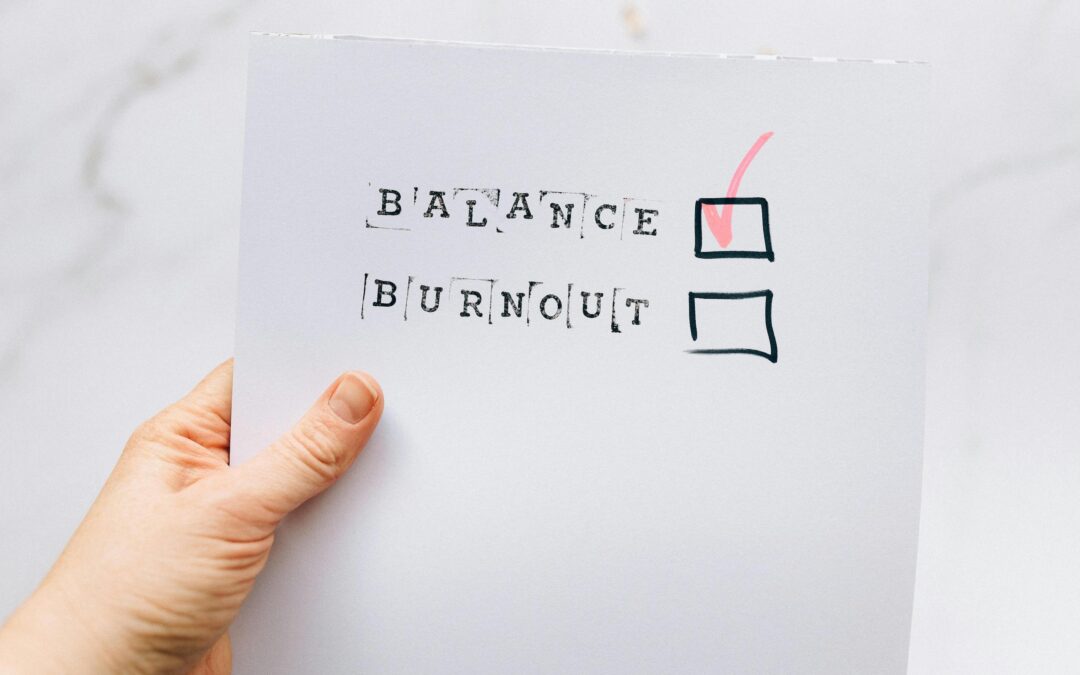
I know the word thriving is overused in the wellbeing space, but it’s the right word here. When you understand the why(s), what you need to do becomes clearer, and you’re able to support yourself in ways that help you thrive, rather than just getting by or living in some level of chronic stress or burnout.
If there’s one thing I hope you take from this episode and article, it’s this: things don’t need to be as complicated as they often feel. When you understand your body, stress, and modern life, it becomes much easier to make changes that actually fit your life.
Kate x
If you’re interested in working with me privately or exploring how I can support your team or organisation, you can email me to request a consultation. And if you have any questions or topics you’d like me to cover on the podcast, feel free to email those too!